+90 536 761 92 73 info@hightechpoly.com TR / EN
// LFT-G Technology — Long Fiber Thermoplastic Granules

The Molecular
Architecture of Long Fiber

At Hightech Polimer, long fiber reinforced thermoplastic granule production is managed with our own technology, from the pultrusion line to quality control. By integrating 7-micron diameter carbon fibers and E-Glass fibers into the polymer matrix at lengths exceeding 12mm, we deliver performance that surpasses the physical limits of short fiber counterparts.

Carbon Fiber Diameter
7 μm
T700-series high modulus carbon fiber
Fiber Length
12 mm+
Length preserved within the pellet
Maximum HDT
340 °C
PEEK LCF40A flagship grade
Max. Elastic Modulus
40 GPa
Stiffness comparable to steel
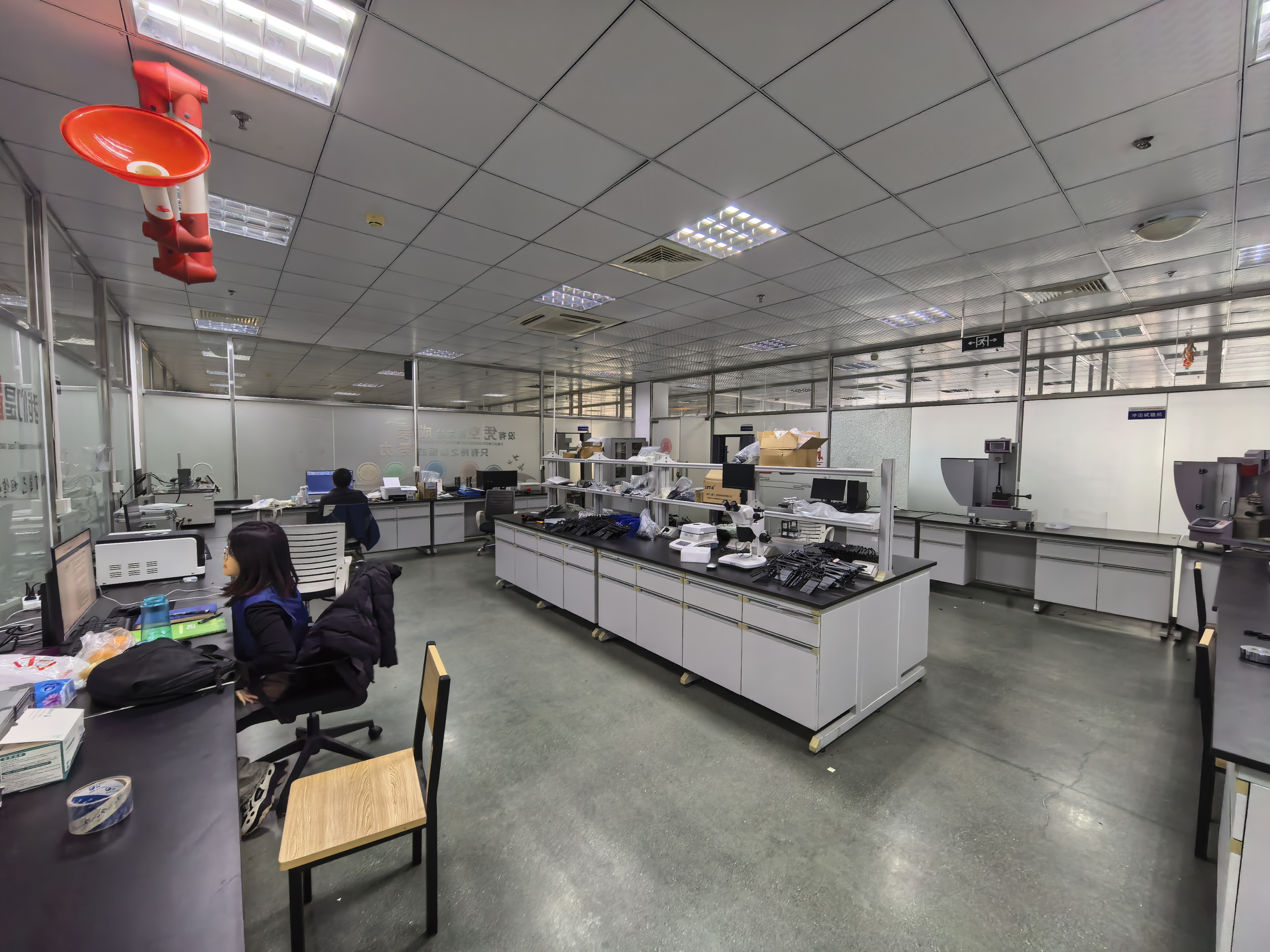
Hightech Polimer laboratory and production line
// R&D & QUALITY LAB Kartal, Istanbul — Our production and testing infrastructure is active 365 days a year.
LFT-G
// Short Fiber vs Long Fiber

Why Long Fiber?

Long fiber composites provide a clear advantage over conventional short fiber (SFT) counterparts in tensile strength, impact resistance, fatigue performance, and continuous service temperature. Below is the typical performance difference between PA6 matrix LGF vs SFT products.

Tensile Strength ISO 527, MPa
SFT (Short Fiber)
95 MPa
LFT-G (Long Fiber)
210 MPa
+121%
Elastic Modulus ISO 178, GPa
SFT
7 GPa
LFT-G
14 GPa
+100%
Notched Impact Izod, kJ/m²
SFT
8 kJ/m²
LFT-G
24 kJ/m²
+200%
Fatigue Life 10 MPa @ 10⁶ cycles
SFT
1 × (base)
LFT-G
3.5 × base
+250%
HDT (Continuous Service) ISO 75, °C
SFT
195 °C
LFT-G
260 °C
+33%
SFT — Short Fiber Reinforced (< 0.5mm)
LFT-G — Long Fiber Reinforced (12mm+)
PROCESS
// Production Process

From Pultrusion to Pellet

The LFT-G production process begins with impregnating continuous fiber tow with the polymer matrix and is completed with the final product cut into precisely dimensioned pellets. Every stage progresses with integrated quality control.

01

Raw Material Selection

Procurement of high-purity polymer resin and T700-series carbon / E-Glass fiber.

02

Pultrusion Impregnation

Continuous fiber tow is passed through a molten polymer bath to achieve full wet-out.

03

Precision Cutting

The impregnated strand is cut into 12mm pellet form; fiber length is preserved.

04

Quality Control

Performance verification for each batch through MFI, tensile, impact and temperature tests.

05

Packaging & Shipment

Moisture-controlled packaging in big-bag or 25kg sack format, ready for shipment.

VS METAL
// Material Comparison

LFT-G vs Alternatives

The positioning of our long fiber composite solutions against steel, aluminum, and short fiber thermoplastics. Typical reference values; please refer to TDS documents for specific formulations.

Parameter Steel (AISI 1045) Aluminum (6061-T6) SFT Composite LFT-G Composite
Density 7.85 g/cm³ 2.70 g/cm³ 1.55 g/cm³ 1.42 g/cm³
Tensile Strength 565 MPa 310 MPa 95 MPa 240 MPa
Elastic Modulus 205 GPa 69 GPa 7 GPa 22 GPa
Specific Strength 72 MPa·cm³/g 115 MPa·cm³/g 61 MPa·cm³/g 169 MPa·cm³/g
Maximum HDT 195 °C 340 °C
Corrosion Resistance Low Medium High Very High
Processing Complexity Milling / Welding Milling / Extrusion Injection Molding Injection / FGF 3D
Design Freedom Limited Medium High Very High
Recyclability High Very High Thermoplastic Thermoplastic

* Values in the LFT-G column are based on the PA66 LCF30 reference product. Our flagship grades such as PEEK LCF40A achieve significantly higher values (320 MPa, 40 GPa, 340°C).

QA/QC
Hightech Polimer quality control laboratory ACTIVE LAB — KARTAL
// Quality Control & Testing

Every Batch Passes Through the Lab

Every product manufactured at our R&D and quality control laboratory in Kartal is tested to ISO standards before shipment. Full-spectrum control from mechanical tests to rheological analyses, from thermal resistance to flammability properties.

Mechanical Testing Infrastructure

Tensile, flexural, impact (Izod/Charpy), hardness (Shore/Rockwell) and fatigue tests. Compliant with ISO 527, ISO 178, ISO 180, ISO 179 standards.

Rheological Analysis

Processability and polymer degradation control for each batch through MFI (Melt Flow Index), MVR and viscosity measurements.

TDS & SDS Documentation

Up-to-date Technical Data Sheet (TDS) and Safety Data Sheet (SDS) for every product. PDF downloads available for 16+ standard products.

Project-Based Support

Our engineering team offers custom formulation development, testing and optimization tailored to your application requirements. Technical service from design to mass production.

We Enjoy Sharing
Technical Knowledge

Our engineering team would be glad to discuss your project requirements, application scenarios, and testing needs.